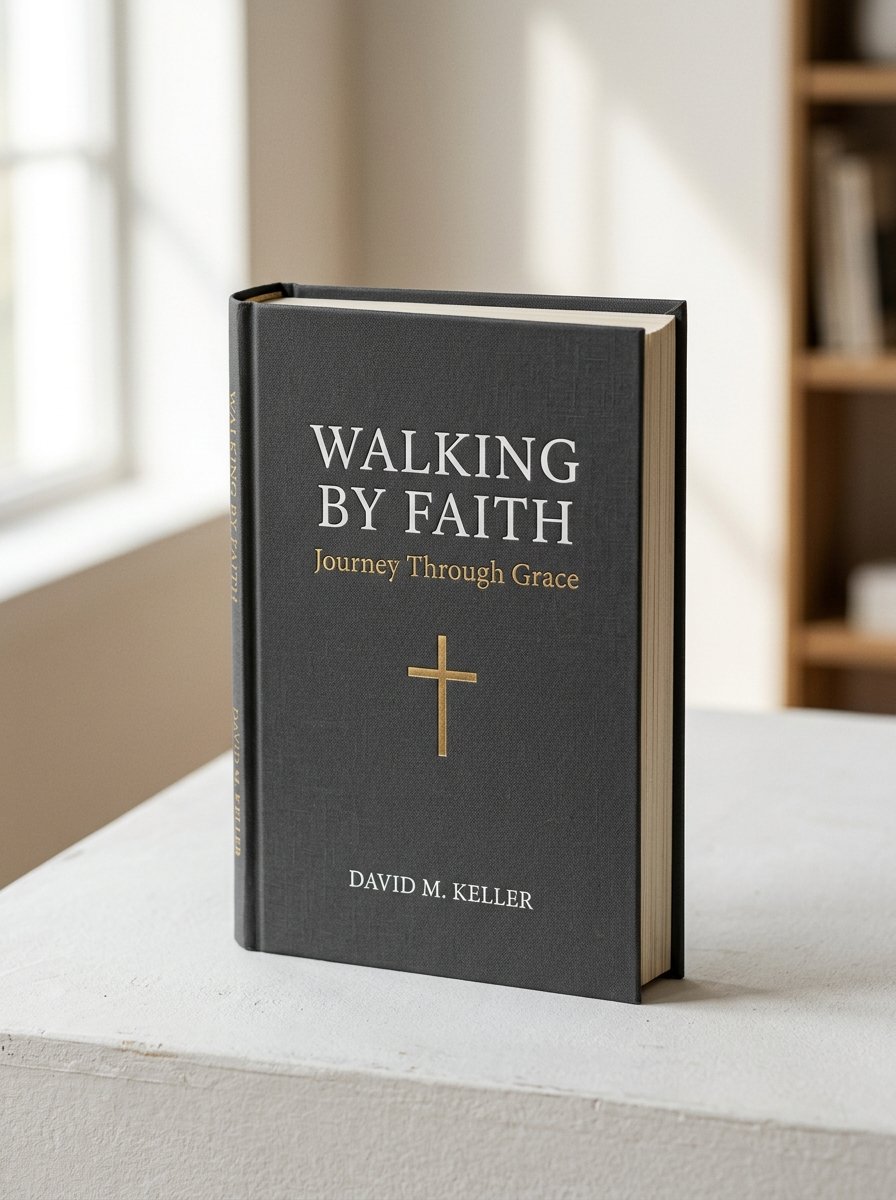
Common First-Draft Problems and How to Address Them
Repetition, missing context and uneven pacing are normal in early drafts; a staged revision process helps authors fix structure before polishing sentences.
Read articleThoughtful, practical guidance on writing, editing, publishing, book marketing and author support.
Repetition, missing context and uneven pacing are normal in early drafts; a staged revision process helps authors fix structure before polishing sentences.
Read article
A concise editor brief shares the book’s goals, audience, style preferences and concerns before the first round of manuscript review.
Read article
Break a book project into visible milestones—from outline to proof review—so progress stays manageable and decisions happen in the right order.
Read article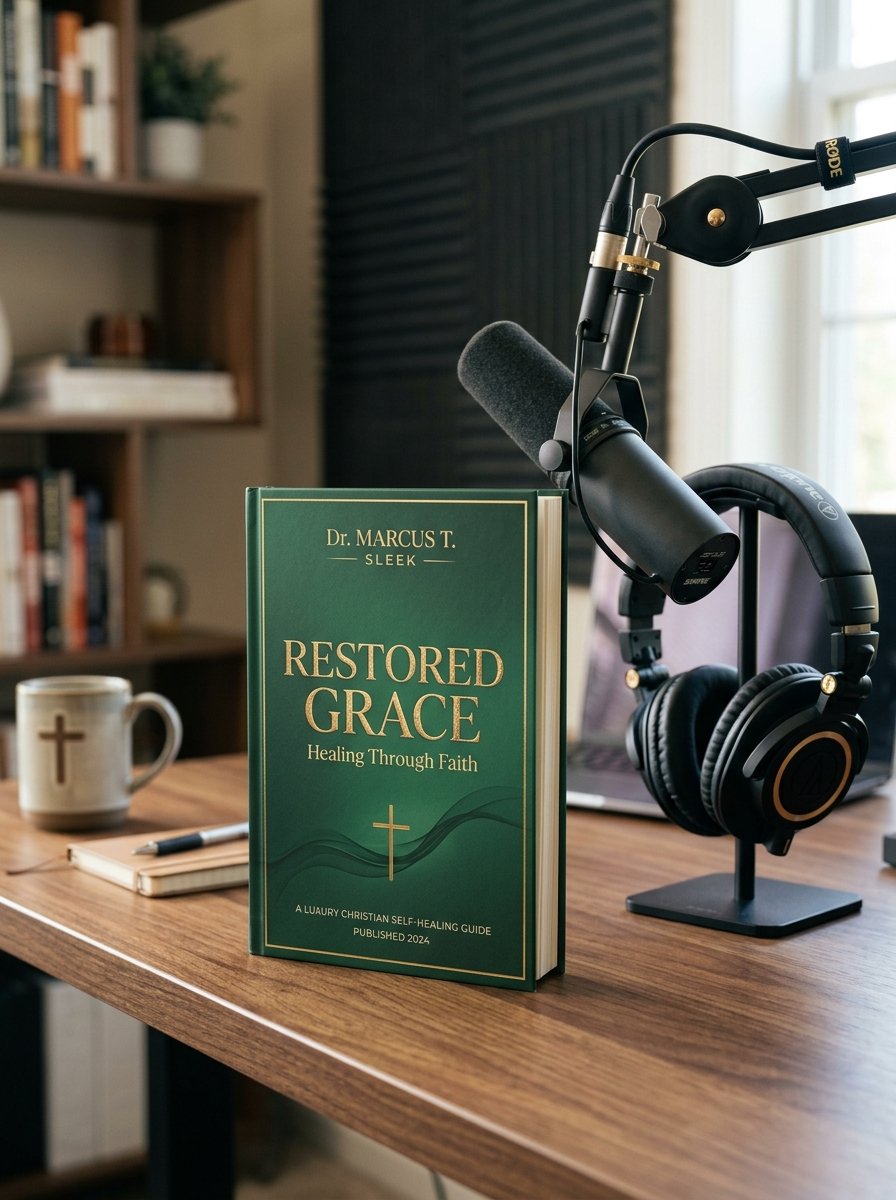
The right structure depends on what readers need to follow, whether that is a story arc, a timeline, a method or a sequence of connected ideas.
Read article
Sorting notes by reader question, theme and timeline reveals the structure already hiding inside an unfinished book idea.
Read article
A simple project style sheet tracks names, terms, capitalization and recurring choices so a long manuscript reads as one coherent book.
Read article
A strong synopsis gives readers or publishing partners a clear view of the book’s subject, progression and intended audience in a concise space.
Read article
A concise proposal explains a nonfiction book’s audience, promise, structure and author perspective so publishing decisions are grounded in a clear plan.
Read article
Choose book length by audience, subject and comparable titles, then build a chapter plan that serves readers instead of chasing a large number.
Read article